

SECONDARY SCHOOL Djilakh
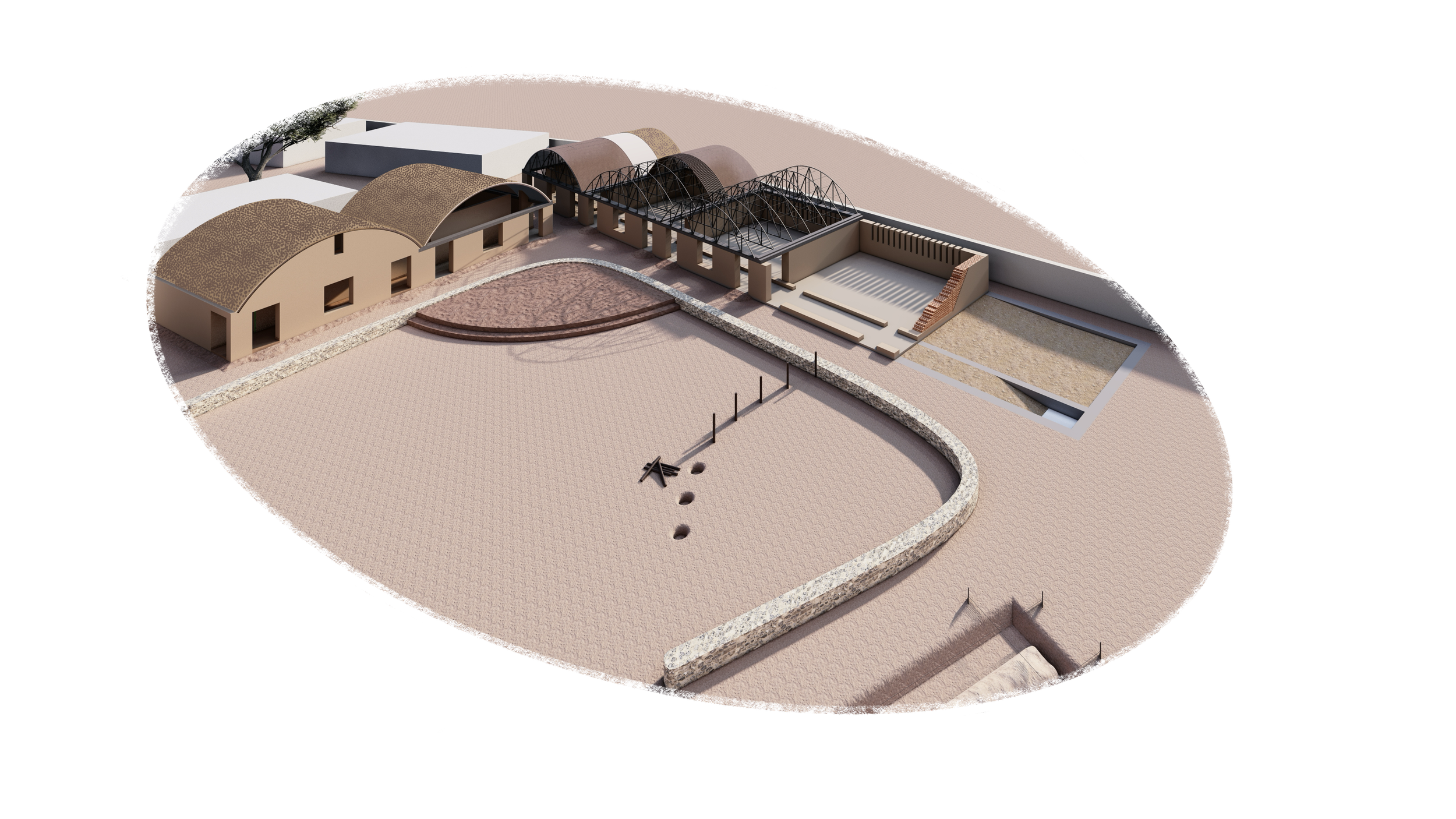
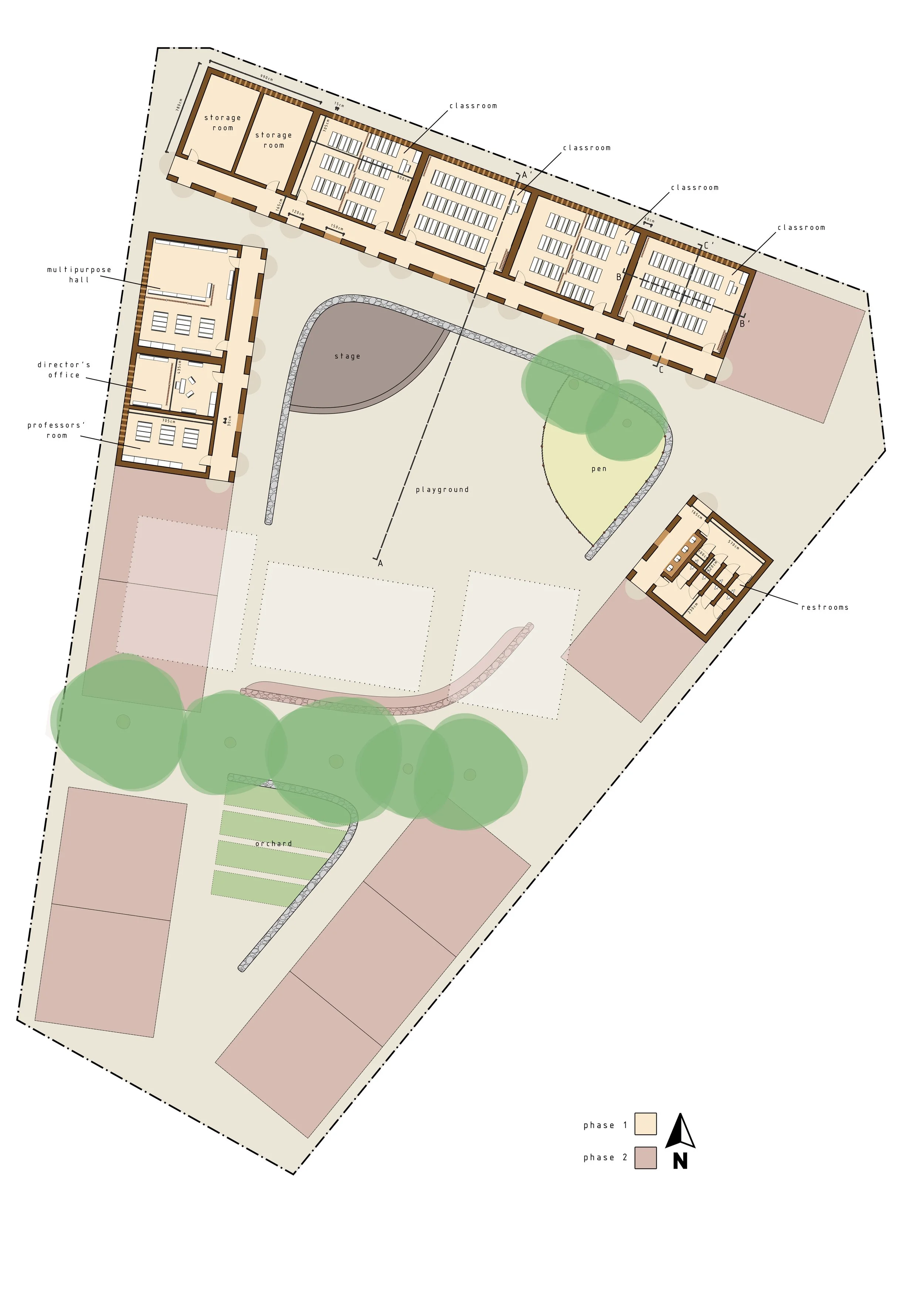
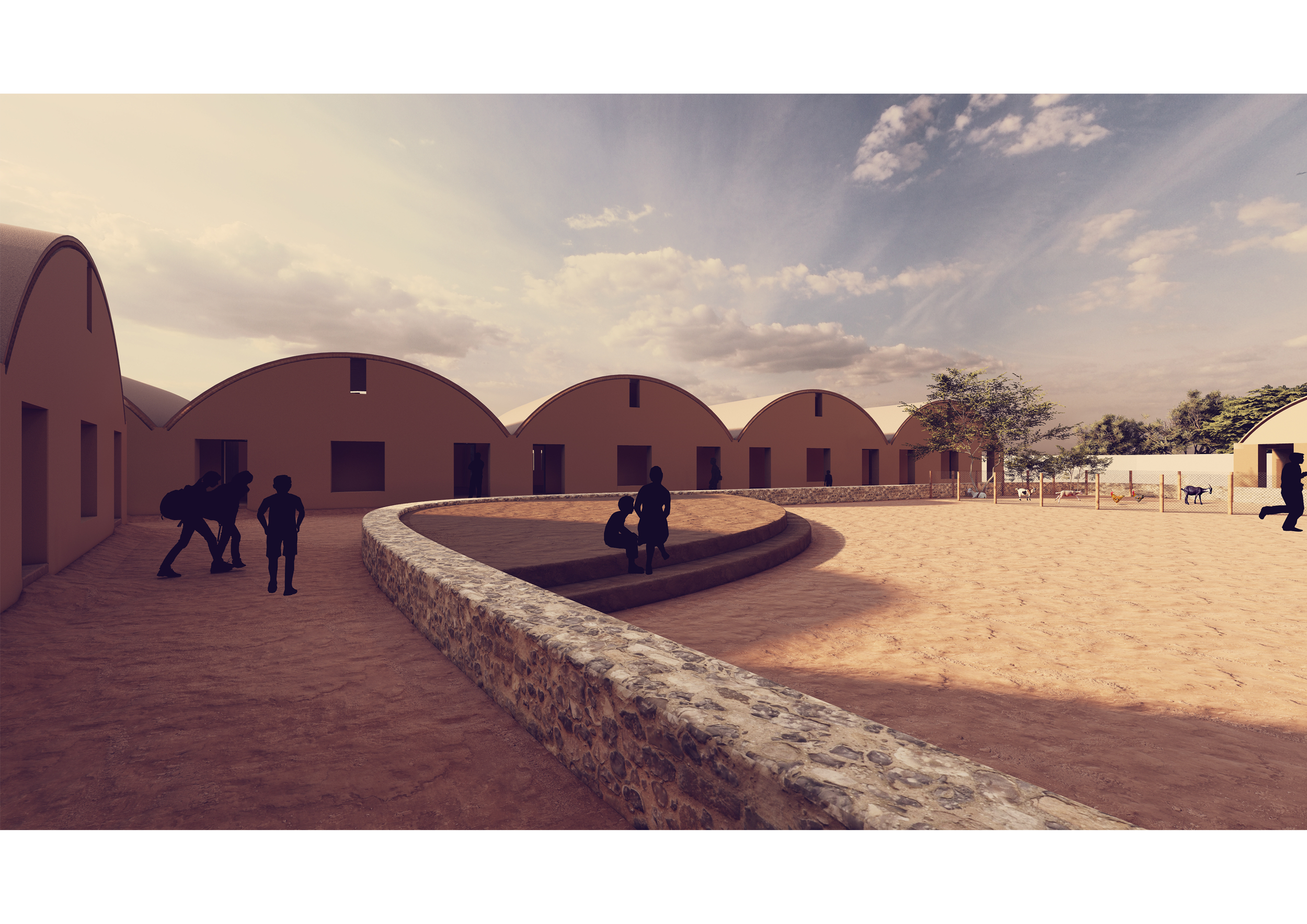
This high school project in Djilakh introduces more than just an educational complex; it serves as a transformative, flexible, and welcoming community hub. The design approaches the site as a cohesive whole without rigid boundaries, positioning the school as a social and cultural centrepiece for the entire community.
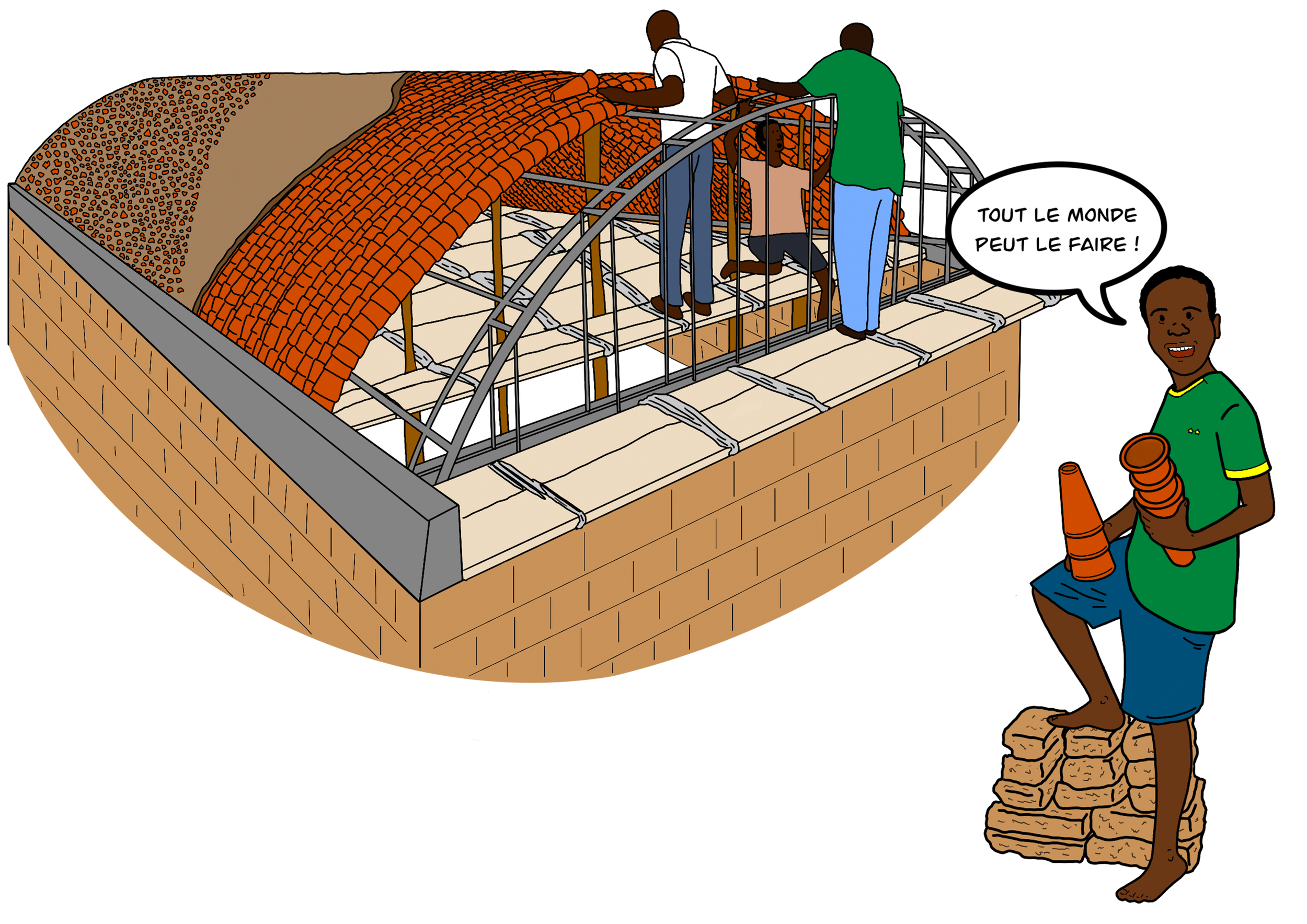
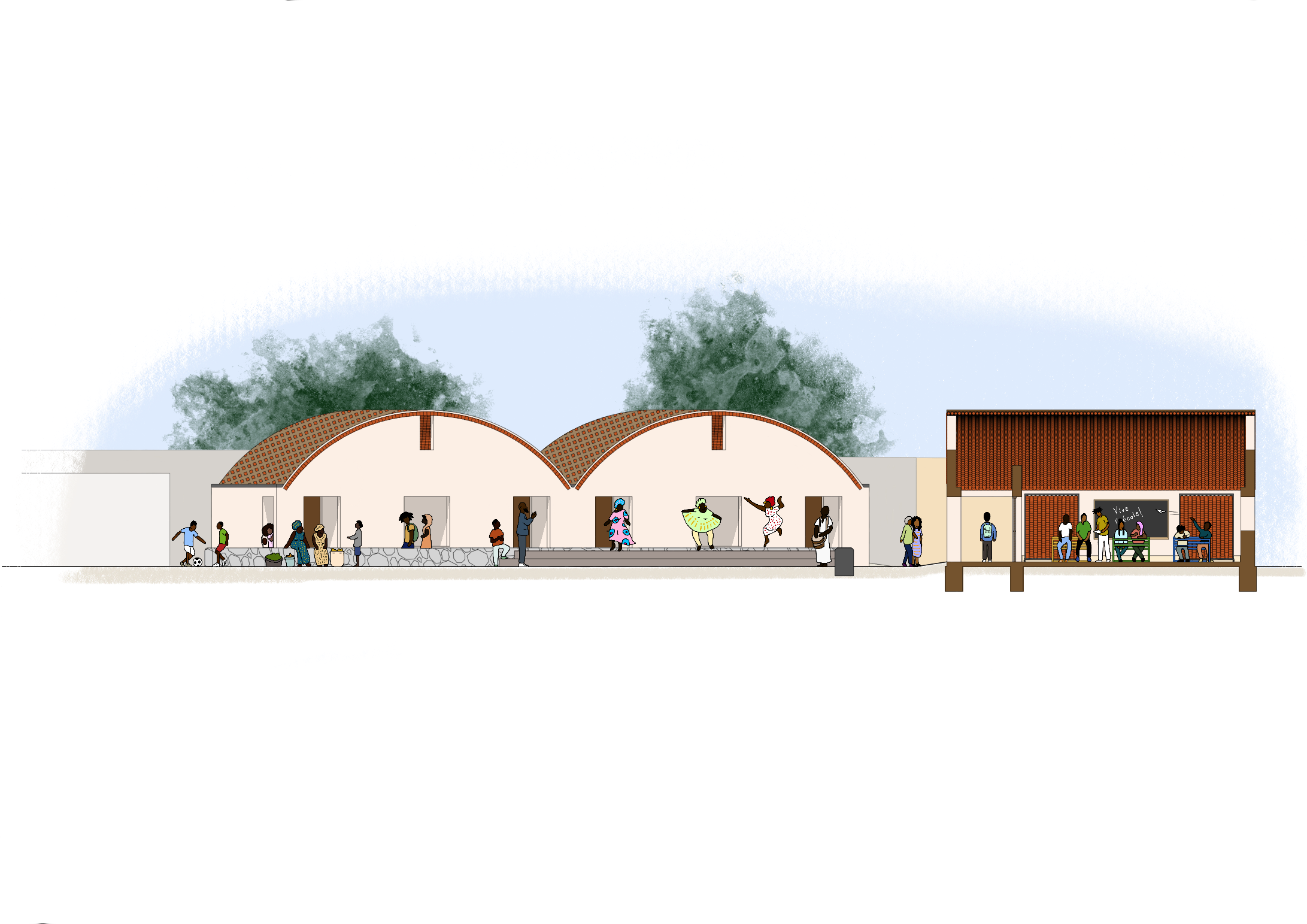
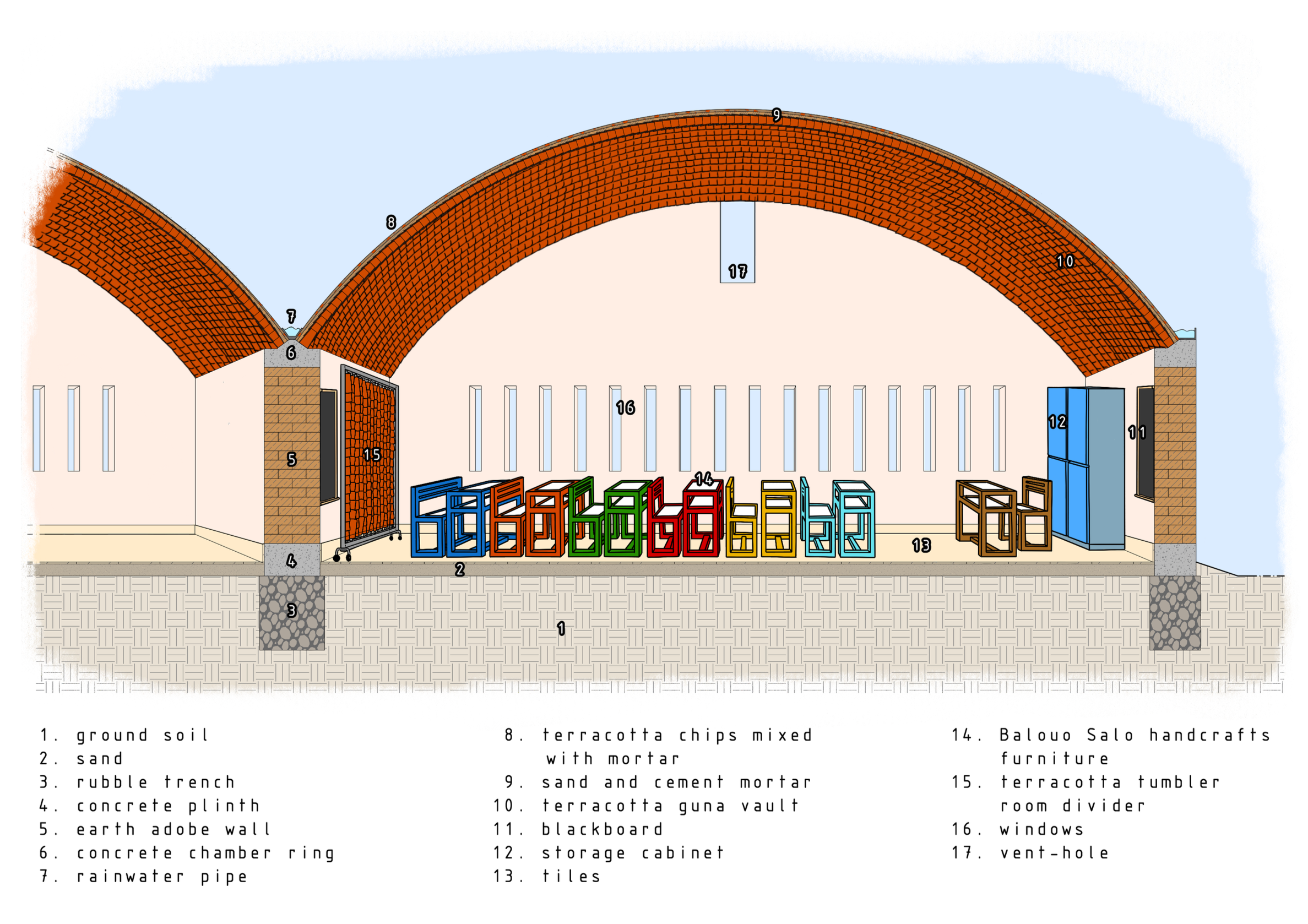
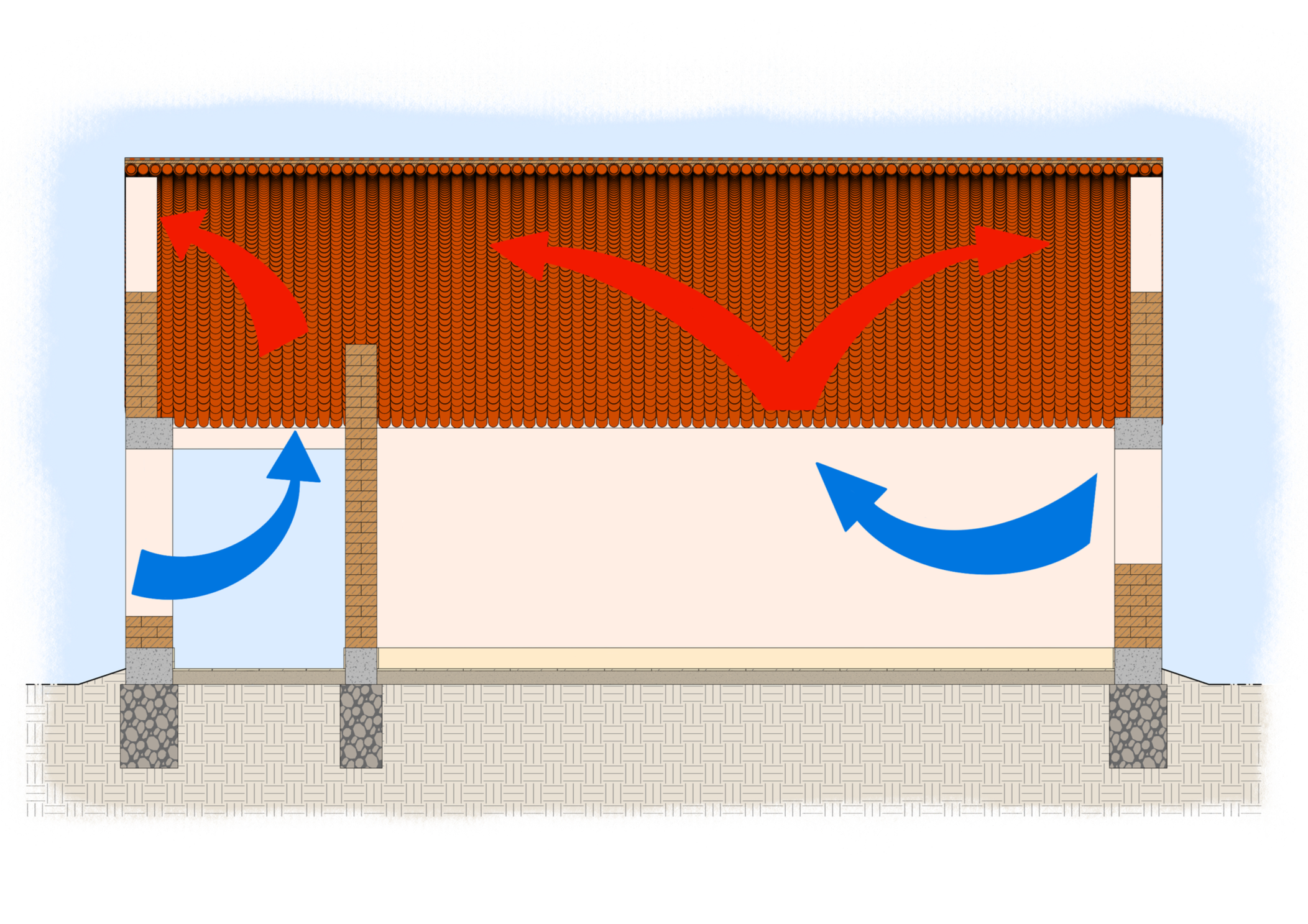
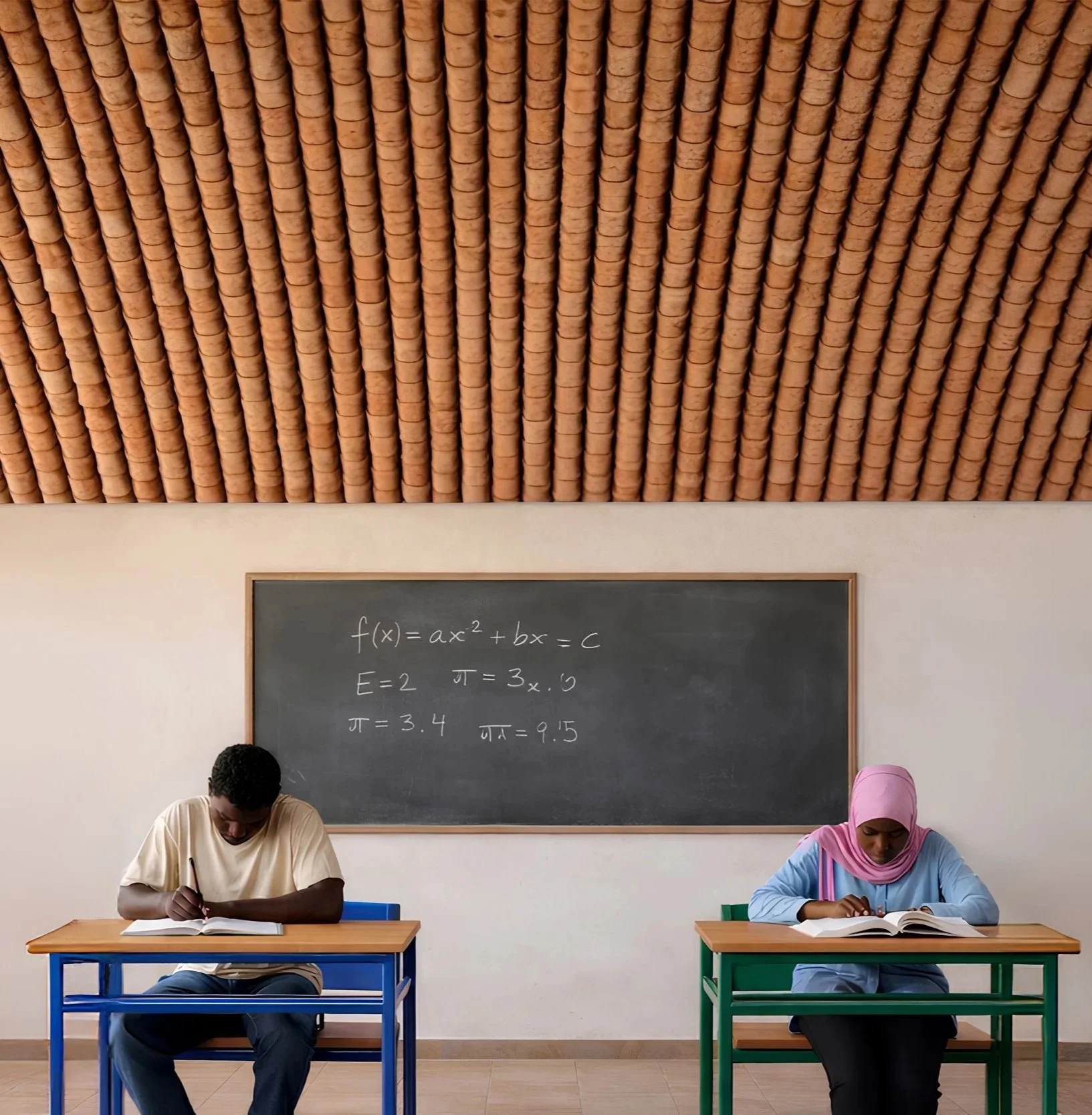
The first construction phase comprises seven buildings and a sanitation block arranged around a central open space. This plaza features a stage for cultural activities and serves as a recreational meeting point for local youth. Additionally, the site features vocational zones, including an enclosed pen and an orchard located on the southern side. These facilities are also accessible to residents of the village. A low stone perimeter wall defines the open area while welcoming visitors, such as market women who sell their produce to the students. Our design enables immediate construction even with the three dilapidated central buildings, avoiding demolition delays. Once these are eventually removed, allowing us to move to the second phase, the school can expand with nine additional modules. Each building features perimeter adobe walls and a functional interior space of 7 × 9 metres. Moreover, an integrated 1.65 metre passageway forms a shaded porch, realised using the Guna Vault, also known as the Wardha roof. This system consists of interlocking, cone-shaped terracotta elements stacked along a catenary curve to form a structurally efficient barrel vault. The vault rests on a reinforced concrete ring beam atop the adobe walls, which in turn are supported by a rubble trench foundation and a concrete plinth. The roof structure is reinforced with steel bars and finished with a waterproof layer of terracotta fragments and mortar. This hollow-tile vault creates an insulating air layer that reduces the interior temperature by approximately 10 °C compared to conventional roofs, as demonstrated in Auroville. The terracotta cones are also utilised indoors as movable room partitions, allowing for different space configurations. This enables various uses, ranging from splitting classrooms to modifying the layout of offices and the multipurpose hall.
By building with local materials such as adobe, cement, and terracotta, the project strengthens regional craftsmanship, possibly including that of the renowned ceramists from Senegal. The chosen construction method results in a sustainable, low-maintenance, and earthquake-resistant structure with a lifespan of over fifty years, as documented by previous builders. By connecting traditional knowledge with thoughtful geometry, this design offers a dignified and replicable future for Djilakh and beyond.